I wrote an article back in 2015 with tips for soloing, but since then I’ve grown older and wiser. Well, at least that’s what I like to tell myself! With the passing of my beloved adventure dog Jake in January, these days I really am out there on my own. My perspective and experience has changed a lot since that 2015 article.
The path to becoming a serial soloist.
I often jokingly refer to myself as a serial soloist. There is something I find immensely exhilarating and rewarding about ambitious solo adventures. The last few years especially, I’ve had some incredible moments soloing part of the John Muir Trail, exploring remote backroads in the far reaches of Washington, and backpacking 30 miles or more into the mountains of the North Cascades.
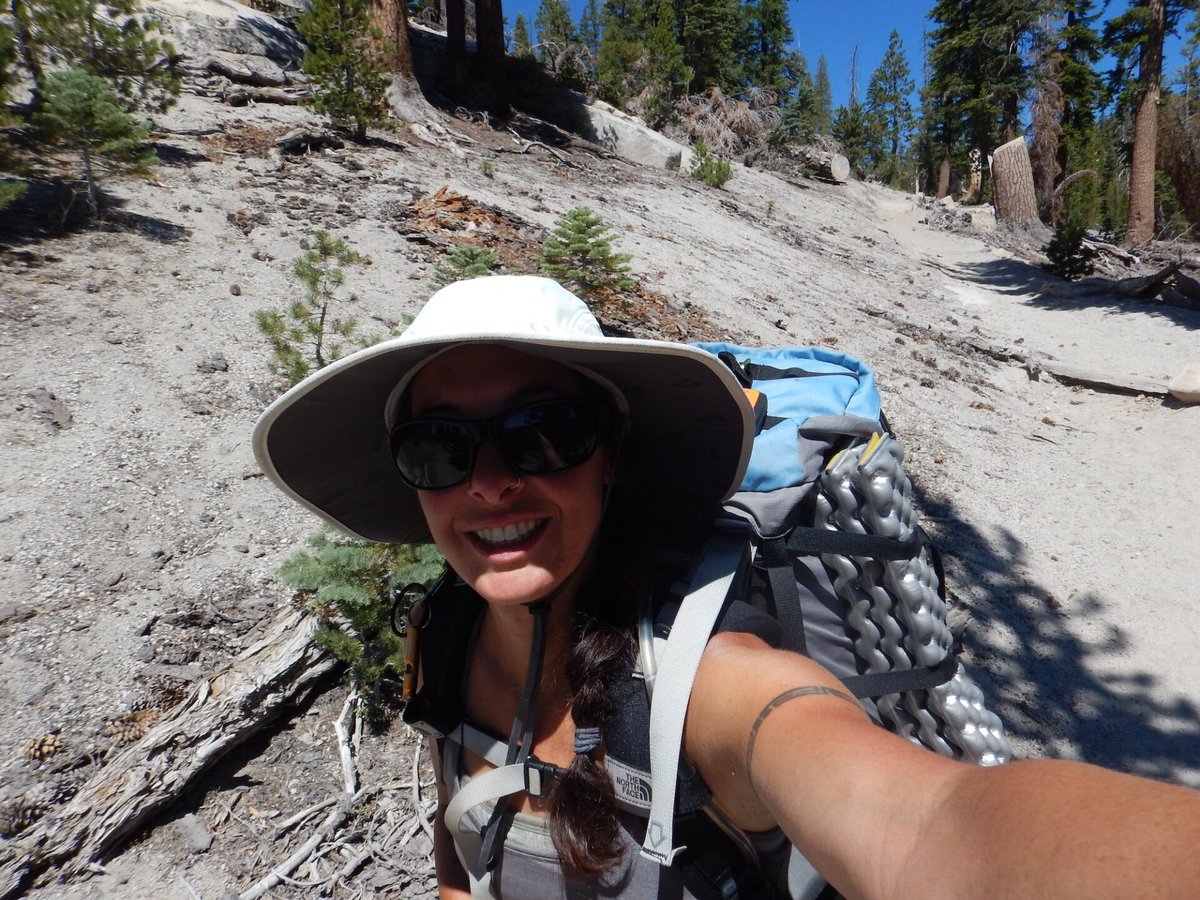
On the John Muir Trail back in 2015.
I certainly didn't start out going solo into the backcountry. It’s taken me years of small steps to expand my comfort level, build my experience, and feel confident on my own. I think back to some of my first nervous solo trail runs at Tiger and Cougar Mountain and would have laughed if you had told me that someday I’d be sleeping by myself in the middle of the North Cascades.
Part of the reason I ended up on so many solo outings was because my freelance lifestyle allowed me to be free for adventure when other people typically worked. It was often tough to find a partner, especially on short notice, so I started going alone. At first I was a bit apprehensive but then I fell in love with the freedom. That freedom is what drives me to continue solo adventures, even now that I've returned to a more traditional work schedule.
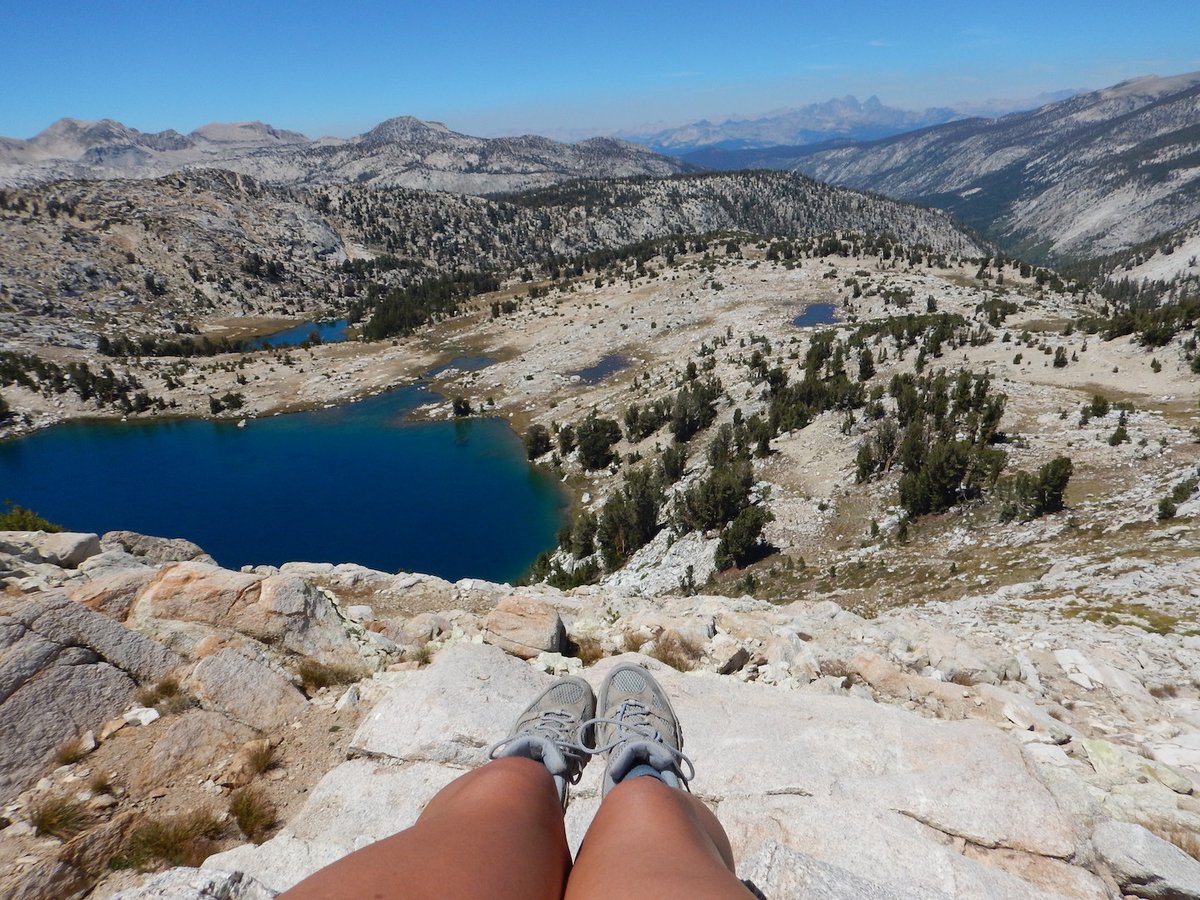
Contemplating life at Silver Pass, a spot I had all to myself while on the John Muir Trail.
Don't get me wrong, getting out with friends from time to time is highly rewarding and fun, but I love the freedom and discovery that comes from being on my own. I can travel whatever pace I want, stop whenever I want, turn around wherever I want, and enjoy stunning silence or a summit all to myself. People are noisy. Traveling alone allows you to experience a wilderness in a completely different way. I feel like I really do melt into nature and become one with what's around me.
Solo adventures are incredibly magical and empowering and they teach you a lot about yourself.
Opinions and judgments.
I’ve seen firsthand the judgment that is often passed down to people who make mistakes or find themselves in trouble, especially when hiking or adventuring solo.
I dated a search and rescue volunteer for a number of years and what I find really humbling about SAR teams is not only their dedication no matter the circumstances, but also their non-judgmental attitudes. Yes, people make mistakes and yes, people can be just plain dumb and reckless, but accidents and misjudgments can also simply be that—accidents and misjudgments. Many simply don't know what they don't know.
We all make mistakes. It’s part of being human. And sometimes we make no mistakes but bad things still happen to even the most experienced and prepared of us. It’s mighty easy to play an armchair quarterback from the comfort of your couch.
I’ve grown accustomed over the years to the mixed reactions that my solo adventures attract. If only I had $1 for every time I’ve been asked, “You’re out here all by yourself? Where is your boyfriend/partner/husband?” I’ve been told that I’m being risky, or that I’m crazy, reckless, or dangerous. Other times I’m praised and admired for my willingness to go it alone.
Everyone has an opinion and most aren’t afraid to express it. Honestly, I'm simply doing what feels natural and comfortable to me. I feel well within my personal risk boundaries. I often wonder how many solo guys on the trail or in the backcountry are met with the same questions, disbelief, or admiration. I’d bet far less than a solo woman.
The “don’t go alone” advice.
One of the most widely circulated hiking tips I see is to “never hike alone”. I know this will generate disagreement, but personally, I think it's terrible advice. I think the better advice would be to “never underestimate nature."
If you’re not comfortable hiking alone, then no, don’t go alone, and that's ok! But don't let silly advice rob you of a potentially life-changing experience. There are so many unforgettable moments in my life that I would have missed out on had I not done them solo. Want to go solo? Start small, get experience, and grow your skills.
Whether you're single or in a party, poor preparation is poor preparation. Obviously, being solo can come with increased risk as you have no partner to help you if you do get into trouble; however, I think the bigger issue isn’t necessarily about being solo, but more about being adequately prepared.
Soloing brings heightened awareness.
I often argue that being with others can make you more complacent and willing to act outside your personal risk boundaries. How many of us suddenly scrimp on our gear when we're with others? Get goaded into doing something we're not comfortable doing? Don't fully pay attention to what's happening around us? Distraction can abound when you're with others.
I often read about search and rescue missions, mostly because I think of them as an opportunity to learn. There are plenty of cases of people with partners getting lost, separating and finding themselves without necessary gear, getting in over their heads, or having life threatening accidents and animal encounters. In fact, even a recent tragically fatal mountain lion attack here in Washington State, the first in 90 years, involved a party of two traveling together.
Having a partner certainly isn’t the magic bullet that guarantees your safety. Sometimes shit happens and if you get lost, fall, make a bad decision, or find yourself up shit creek, it might not make a difference whether you’re solo or with a partner.
When I'm on my own, I feel much more aware of my surroundings. I’m completely dialed into what I’m doing and the choices I’m making. Perhaps most importantly, I know my limits and I’m never afraid to turn around.
When I head out on my own, I’m rarely out there on a whim. I’ve spent a lot of time researching the area I’m about to travel through. I know the terrain, likely conditions, landmarks, and weather.
The importance of emergency gear and the false reliance on technology.
Emergency gear and the 10 essentials are well, essential, whether you're with others or alone. When solo, you should take some time to seriously consider what you're carrying with you.
I always carry the traditional 10 essentials: extra food, some type of water filter or purification device, an emergency bivy, a knife or multi-tool, firestarter, first-aid kit, headlamp, extra clothing, sunglasses, and a map. Though I do use GPS on my phone I always have a paper map. Always.
I also carry an emergency beacon everywhere. It's not negotiable. I currently carry a Garmin inReach Mini, which gives me some piece of mind that if the unexpected happens, I have the ability to communicate with my contacts or alert them if my itinerary changes.
However....
As a technology professional in my daily life, I also know that over-reliance on technology is often a mistake. Technology can fail. It's not fool proof. What if you fall and are separated from your beacon? What if you're in crappy weather with thick cloud cover or forest cover and unable to send a signal?
I can't stress enough to always communicate your itinerary! I have a group of family and friends who know what I'm doing, where I'm going, when I'm expected back, and what to do if I don't check in. At least if the unthinkable happens, someone will know where to look and hopefully in combination with check-ins, have a good idea where to find me.
There is nothing foolproof in the outdoors and the only thing you should rely on is yourself. Always pack enough to spend an unexpected night or two out. If the worst happens and you need a rescue, it can take time for volunteers to reach you, especially in inclement weather. Rescuers often assume enormous risk when they respond to missions. Being prepared means lowering risk not just for you, but also for them.
It doesn't require a huge pack to bring smart emergency gear.
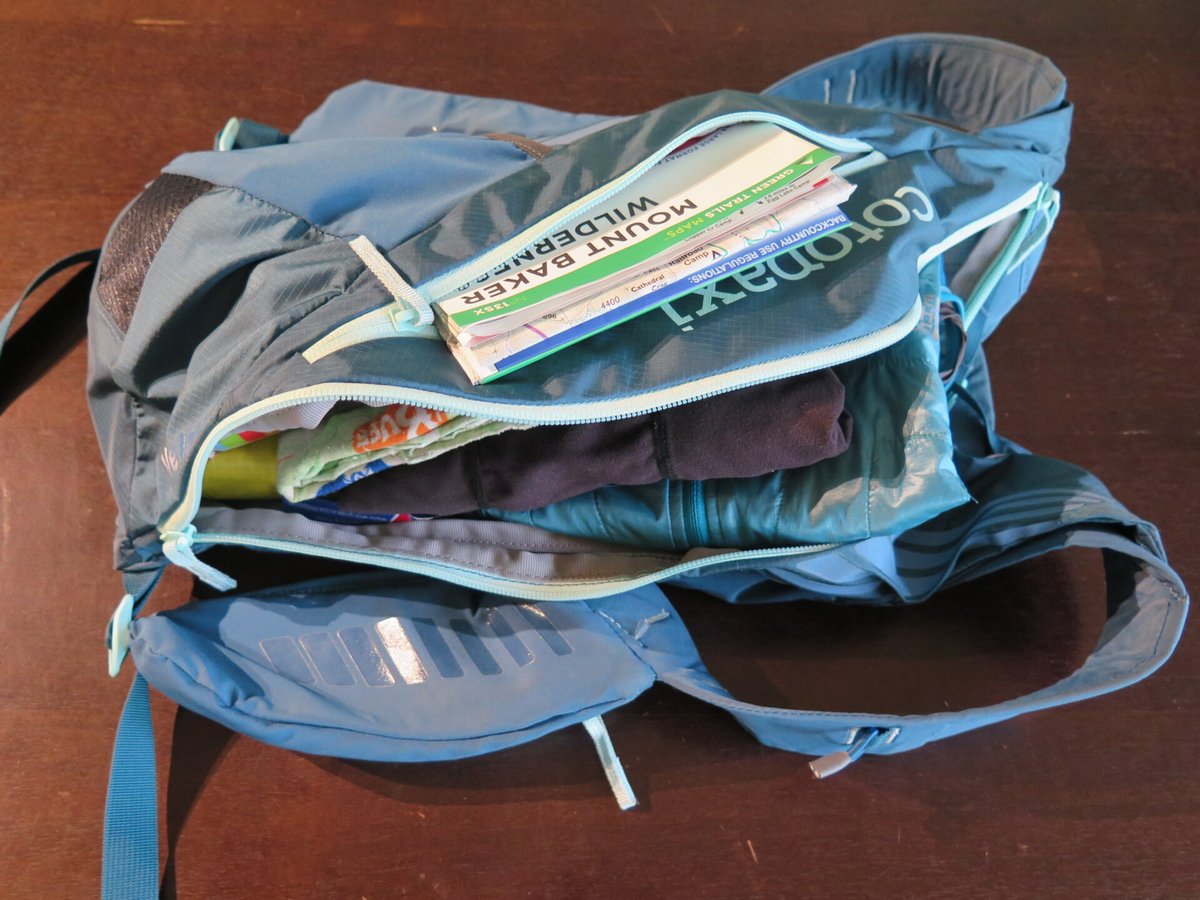
Proof that you don't need a big pack to carry emergency items. I can fit a map, emergency beacon, extra clothing, water filter, headlamp, first aid kit, first starter, knife, extra food, and emergency bivy into my tiny 3L Cotopaxi Veloz trail running pack with room to spare! Though I'm likely not having a party if something bad happens, I'll probably stay alive.
The subjective nature of risk.
Adventures solo and with others are completely different experiences and I thoroughly enjoy both. I have great memories of fun outings with friends that resulted in amazing camaraderie and laughs. Alternatively, the days I spent solo on the John Muir Trail were some of the most transformative of my life. I will also never forget the solo backpack I had to Miner’s Ridge lookout last year. I scored the entire summit to myself and saw no one for two days. I’ve never been witness to a more quiet, serene, and deeply stirring sunrise ever and I wouldn’t have traded the experience for the world.
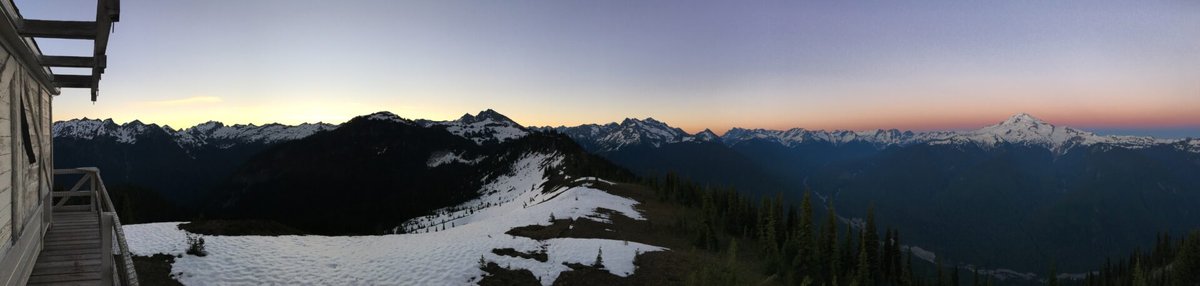
One of the most stunning sunrises I'll ever remember at Miner's Ridge... and I had it all to myself.
Is going solo risky? I think risk is a completely subjective thing. I believe that it’s much more likely I’ll meet my demise getting hit by a car or something far less dramatic. Have you seen how many inattentive drivers blow through red lights!? Given my track record, I’m also far more likely to seriously injure myself slipping in the bathroom.
At the end of the day, the only person in the world who can make a judgment about what constitutes an acceptable level of risk is you.
Can I prepare for every possible scenario that might happen out there? Definitely not. Is soloing for everyone? Nope. While I think “never hike alone” is terrible advice and soloists shouldn’t be vilified as being reckless risk takers, I also believe that soloists have a duty and responsibility to be smart and prepared, not just for themselves, but also for their loved ones and the heroic volunteers of search and rescue who may be called on in the event of an emergency. I think that advice applies to everyone, solo or not!
I love the empowerment that comes from being out there on my own. My solo adventures have been some of the most memorable, life changing, humbling moments of my life and I will continue to do them hopefully for a long time.
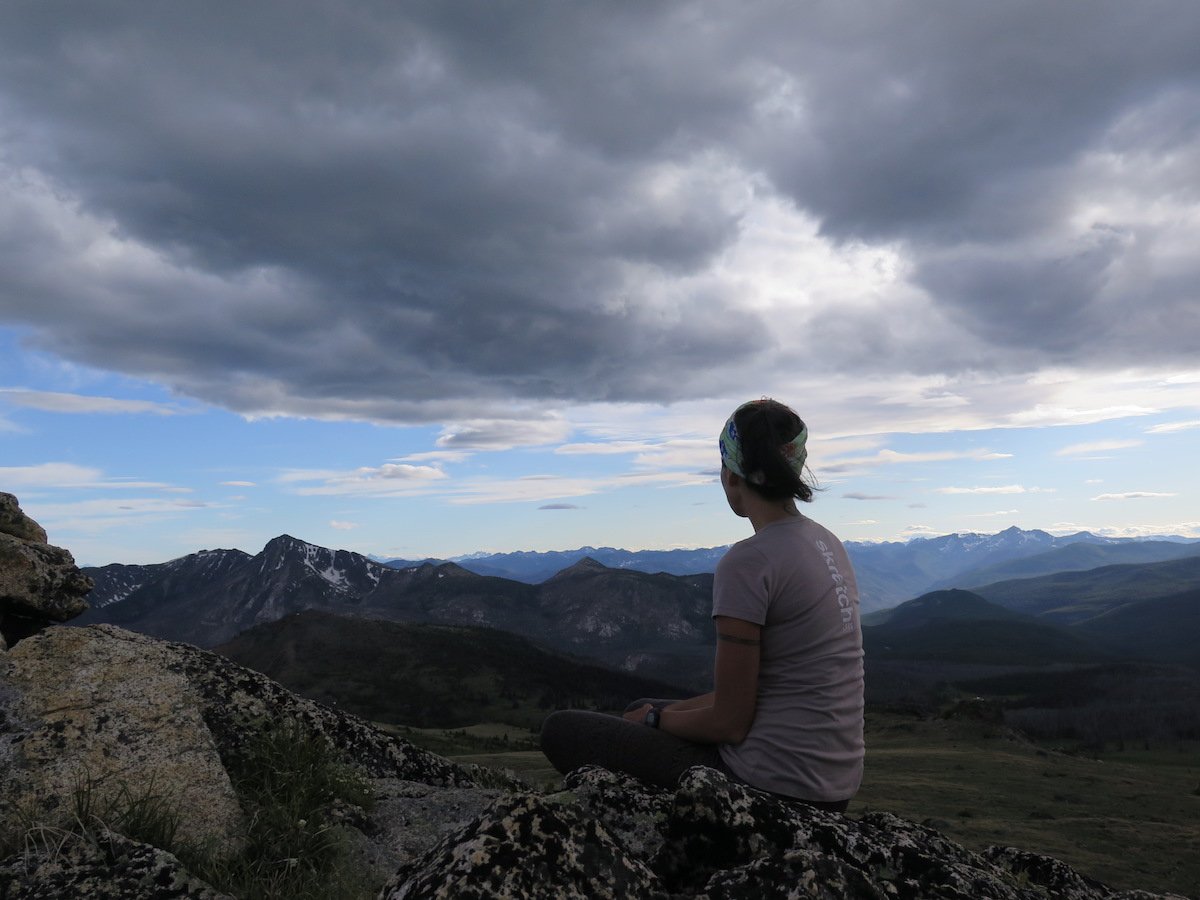
A mountaintop in the Pasayten. All to myself.